
If Anyone Can Pull Off a General Strike, It’s Minnesotans
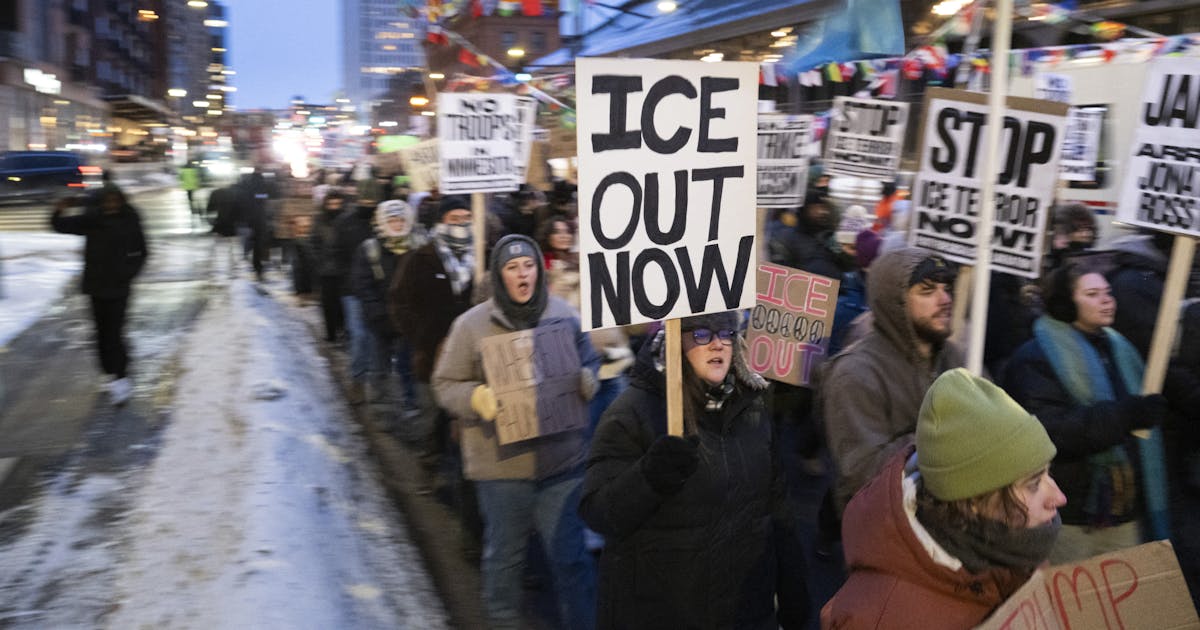
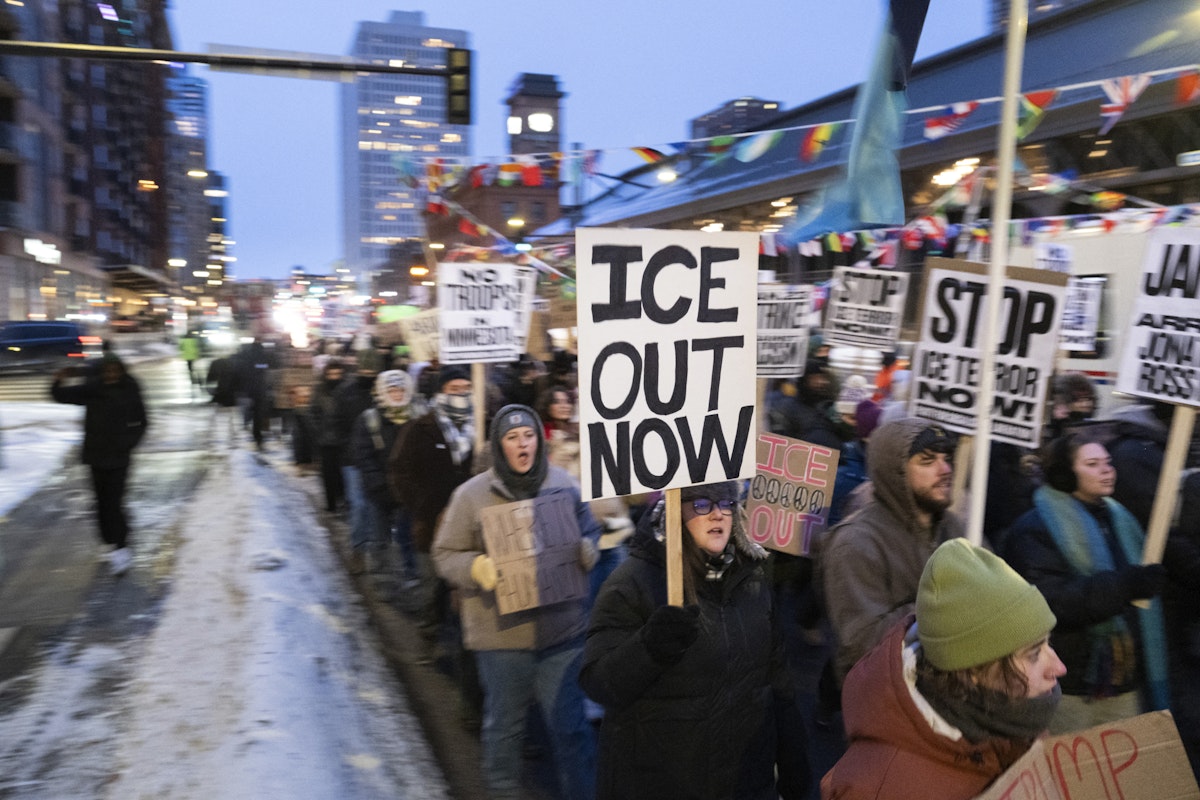
The Minnesota movement thinks, as political philosopher Rodrigo Nunes puts it in Neither Vertical Nor Horizontal, ecologically: It brings together different forms of action (strike, boycott, mutual aid, self-defense) and disparate organizational forms (unions, community groups, tenant organizations, text threads) with unaffiliated individuals who turn up to protests or just stop, like Renee Good did, while passing through, to protect members of their community and to document what was happening. This entails, in Nunes’s words, “privileging cooperation over competition, nurturing common resources and mutually beneficial relations, and strategizing with a broad field of other agents in mind.”
At the moment, all of those organizations and quite a few new allies are united behind a simple demand: ICE out of Minnesota. Beyond that, many of them have endorsed the call—now nationally popular—to abolish ICE entirely, and some have called for an eviction moratorium(again, mirroring Covid-related policies, this time to protect people from a threat entirely caused by the state). Organizers have targeted major corporations—CTUL is focusing on builder D.R. Horton; Unidos and others have held sit-ins and sing-ins in Target stores, as the corporation is headquartered in the Twin Cities—demanding that they protect employees from ICE. Some are using the language of general strike, while the unions, which have contracts that often prevent them from striking within the bounds of those agreements, are avoiding those words.
Crabtree’s organization, Minneapolis Families for Public Schools, has focused on the return of school sanctuary status, so that her experience with Bovino’s forces is not replicated. It has backed the eviction moratorium, and—in yet another Covid echo—remote learning access for students who risk being profiled by the federal troops. To her mind, remote learning also means ensuring that students have computers and internet access, as well as getting groceries so they are well fed before they try to learn in crisis conditions. “It’s not lost on me that our kids who are most likely to need to stay home are also coming from some of our families that are living in potentially some of the most precarious situations,” she said.


