
Black Liberation Activist Assata Shakur Dies After 41 Years in Exile

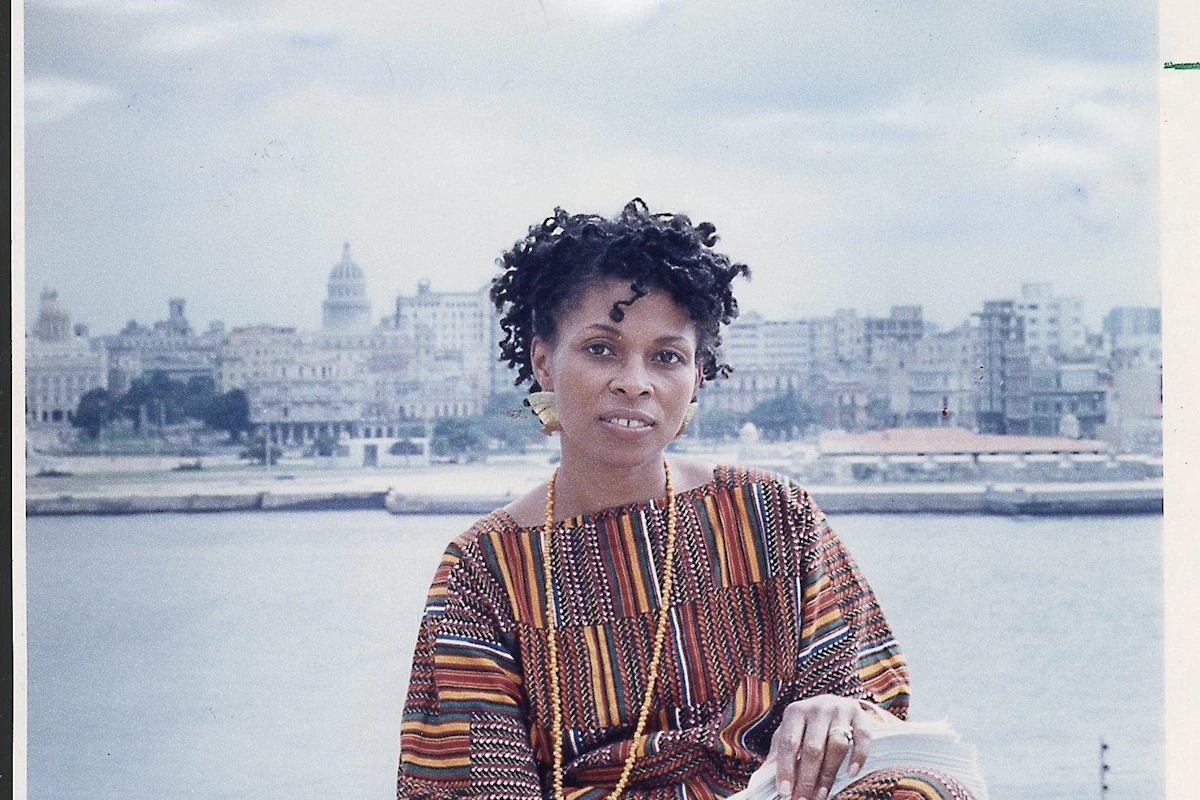
Shakur briefly lived as a fugitive in the U.S., as police monitored her daughter and friends and performed massive, armed sweeps of Black neighborhoods in New York City in search of her. She made it to Cuba in 1984, where she was granted political asylum. There she wrote books and essays, including her immensely popular Assata: An Autobiography. In 2013, she became the first woman ever added to the FBI’s “Most Wanted” list.
“People get used to anything. The less you think about your oppression, the more your tolerance for it grows,” she wrote, in the later chapters of her autobiography. “After a while, people just think oppression is the normal state of things. But to become free, you have to be acutely aware of being a slave.”
Shakur was a poor Black woman in segregated America who was fed up, weary of this society’s constant denial of her humanity. Her life, words, and actions are a poignant example of the wide spectrum of responses—from peaceful protest to militance—that Black Americans have always had to their violent experiences as racialized others in this country.


