
Camaraderie Beats Perks In Building Retention

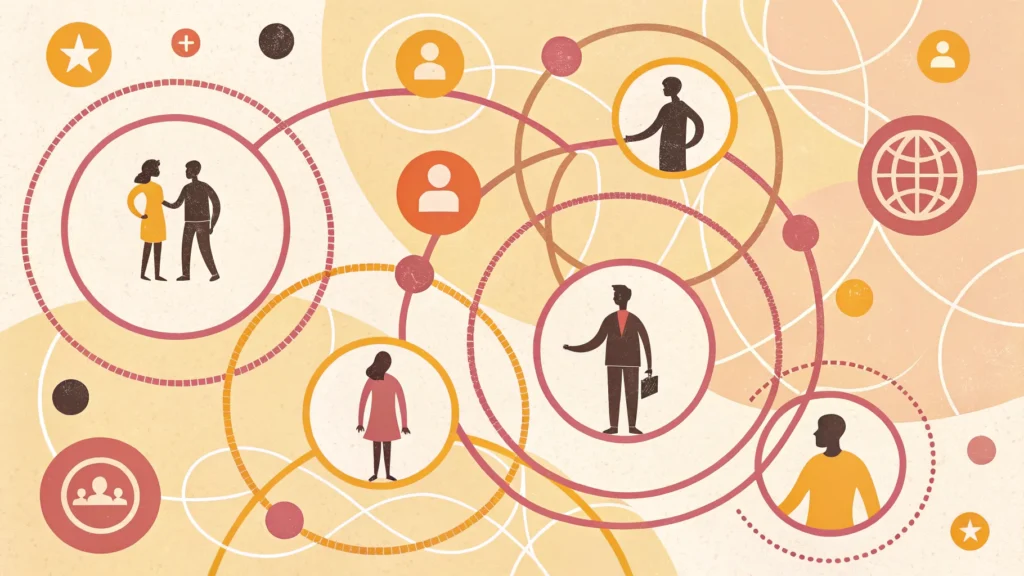
Work doesn’t become meaningful because of kombucha on tap or a shinier health plan. It becomes meaningful when people actually want to be around each other. That’s not a soft idea. It’s a hard lever for retention and performance. My view is simple: friendship at work outperforms perks and even pay when it comes to keeping great people.
Scott Galloway put it bluntly, and he’s right. Two people who like each other at work beat almost any benefit package. Add a few more who care about each other, and you’ve got the start of a team that will stick, ship, and grow together. That is the real advantage.
Why Friendship Matters More Than Perks
People stay where they feel they belong. Retention is a human equation, not just a financial one. If your team can grab lunch together, share rides, travel, and laugh about the same Slack thread, they build ties that last. Those ties build resilience during hard weeks and energy during good ones.
“The most successful thing about hiring is having two people who go to work who like each other… That has higher retention than giving someone better benefits or higher pay.” — Scott Galloway
That tracks with what I see at Hawke Media. Not because I force it. Real camaraderie can’t be mandated from the CEO’s office. It has to come from the team itself.
What Leaders Should—and Shouldn’t—Do
My job isn’t to plan every happy hour. My job is to set the stage for people who want to work together and win together. If culture only shows up when I walk in the room, we already lost. The best proof is when the team makes plans without looping me in.
“It doesn’t come from me. If it has to come from me, then I’m already failing.” — Erik Huberman
A Wedding That Proved the Point
One of our longest-standing team members got married. I was saying goodbye on Friday and told folks, “See you Monday.” They shot back, “No, we’ll see you tomorrow.” He had invited my assistant and a bunch of teammates. Some were close friends. Others were surprise guests to me. He built a life with the people he worked with.
That wasn’t a company event. It was real life. When the invite list for your wedding includes coworkers from ten years of the journey, you’ve built more than a payroll.
“Turns out when you stick them all together, they like each other.” — Erik Huberman
Simple Ways To Spark Real Bonds
Leaders can’t force friendship, but they can remove friction and create chances for it to grow.
- Hire for character and curiosity, not just skill.
- Keep teams small enough that faces are known and trust forms.
- Make time for shared breaks and simple rituals.
- Budget for peer-led meetups, not top-down events.
- Reward collaboration publicly and often.
These moves nudge connection without turning it into homework.
What About Pay and Benefits?
Let’s be clear. Pay people fairly. Offer real benefits. But don’t confuse transactions with ties. Money buys time, not loyalty. If you only raise comp, you might buy a few more months. If you build friendship, you might gain a few more years. And those years often come with better work and lower churn.
Some argue remote or hybrid setups make friendship harder. I don’t buy it. Harder doesn’t mean impossible. Intentional design beats default distance. Smaller pods, regular offsites, city clusters, and shared projects help people bond even if they aren’t at the same desk every day.
The Point
Great companies don’t just stack talent. They connect it. Hire people others want to be around. Give them room to connect. Step back and watch them build something sticky, fun, and high performing. That’s where retention lives. And it’s a lot cheaper than throwing another perk at the wall.
Call to action: This week, audit for connection. Ask managers who had lunch together, who paired on work, who asked for help. Fund one peer-led hangout. Promote one act of teamwork. Then do it again next week. Culture is what repeats.
Frequently Asked Questions
Q: Are friendships at work worth more than higher pay?
Fair pay matters, but friendships drive longer retention and better teamwork. People stay where they belong, not just where they earn a bit more.
Q: How can leaders encourage bonds without forcing them?
Hire for character, keep teams small, and support peer-led meetups. Remove friction, set clear values, then let the team own the social fabric.
Q: Does remote work make camaraderie impossible?
No. It requires intention. Use pods, recurring check-ins, periodic in-person gatherings, and shared goals to create real touchpoints.
Q: What signals show your culture is working?
People make plans without leadership, celebrate wins together, help each other unasked, and recommend friends to join the team.
Q: What’s one action to take this month?
Pick one team ritual—weekly shared lunch, rotating peer workshops, or a mentoring circle—and protect it on the calendar for 90 days.


